

On June 17, the Permanent Secretariat of Forum for Economic and Trade Co-operation between China and Portuguese-speaking Countries (Macao) hosted the closing ceremony and certificate presentation for the “Colloquium on Infrastructure Investment and Construction between China and Portuguese-speaking Countries” at the Macau Tower.
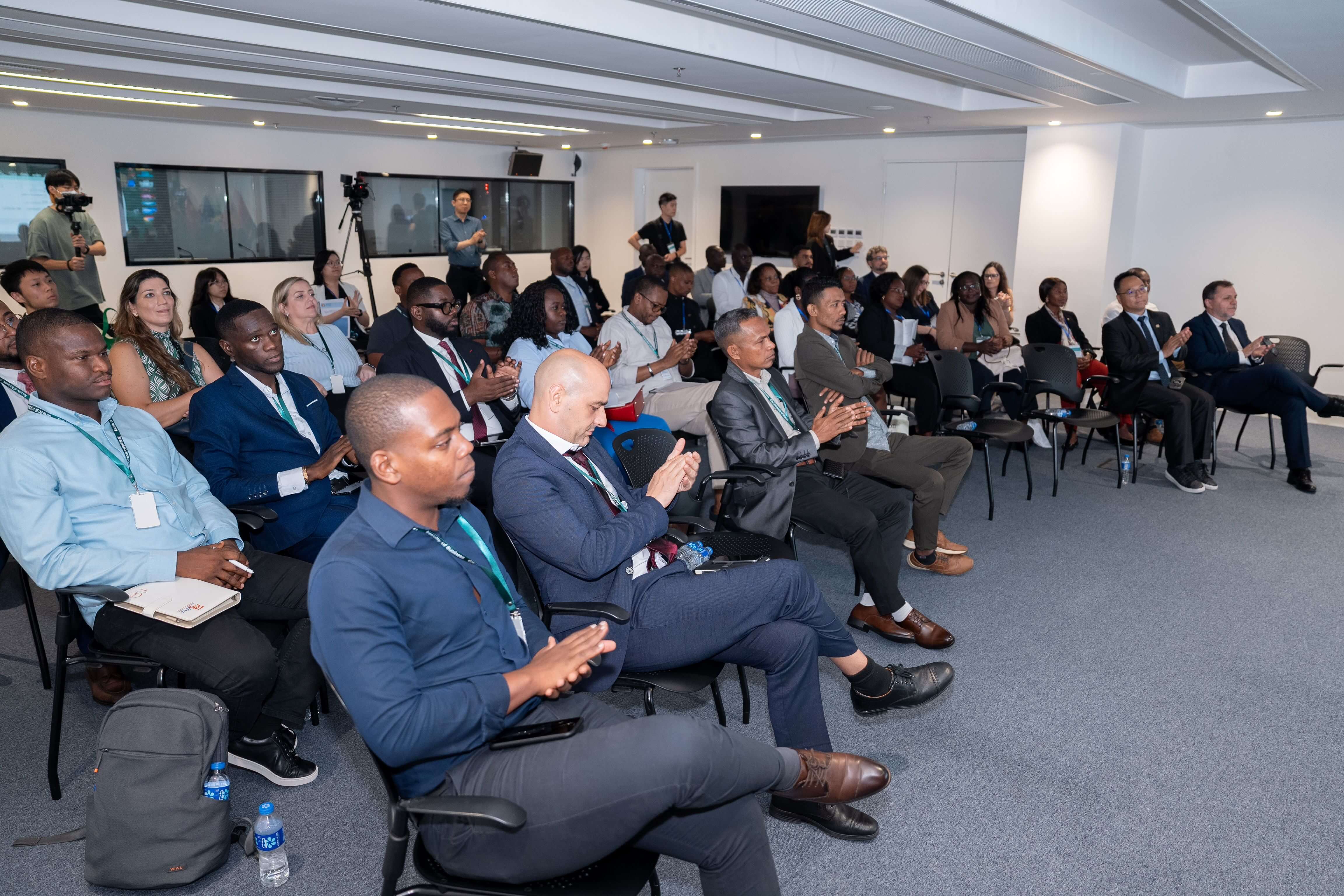
The two-week colloquium, held from June 5 to 19 in Macao, attracted 16 participants, including officials, technicians, and senior executives from Angola, Brazil, Cabo Verde, Guinea-Bissau, Equatorial Guinea, São Tomé and Príncipe, Timor-Leste, and Macao.
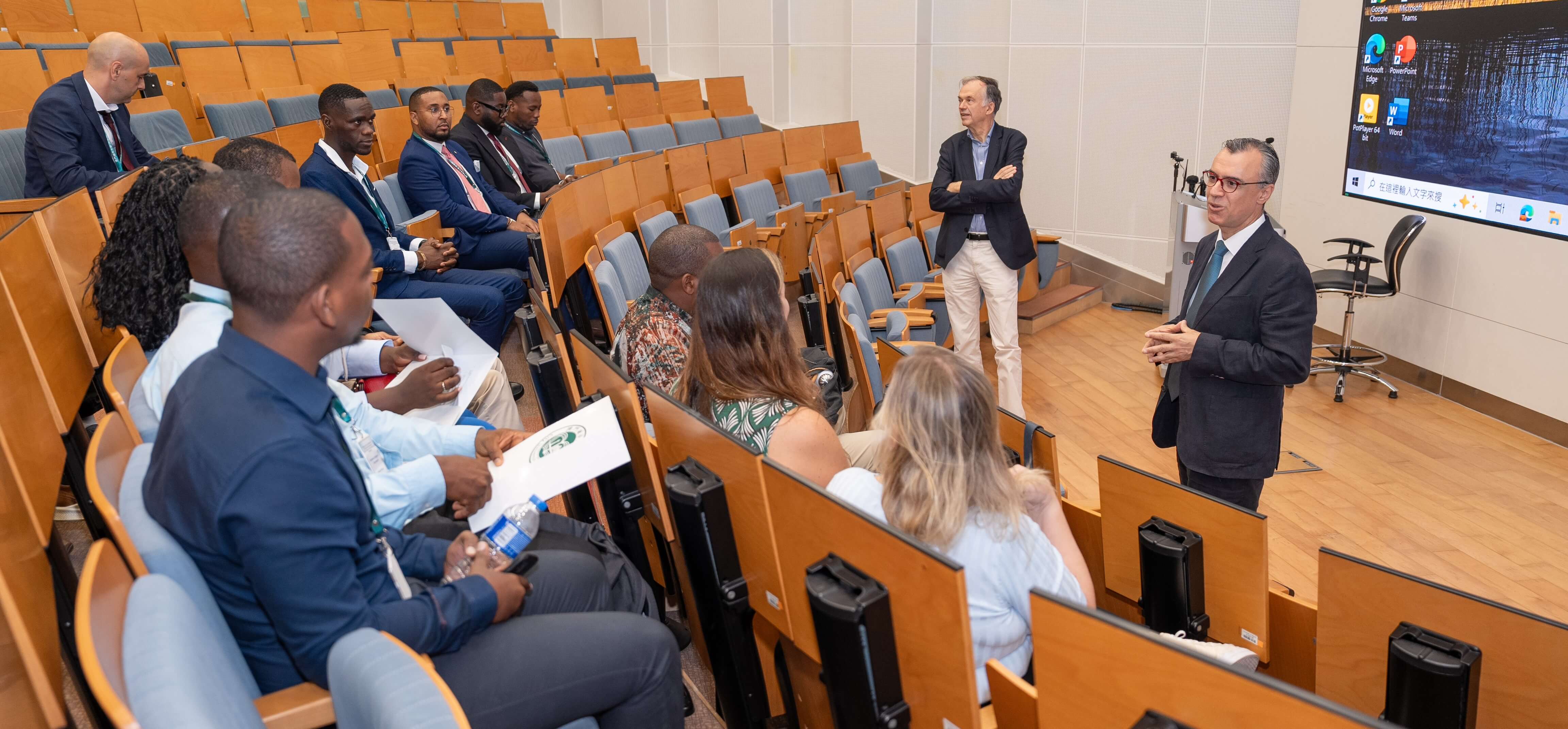
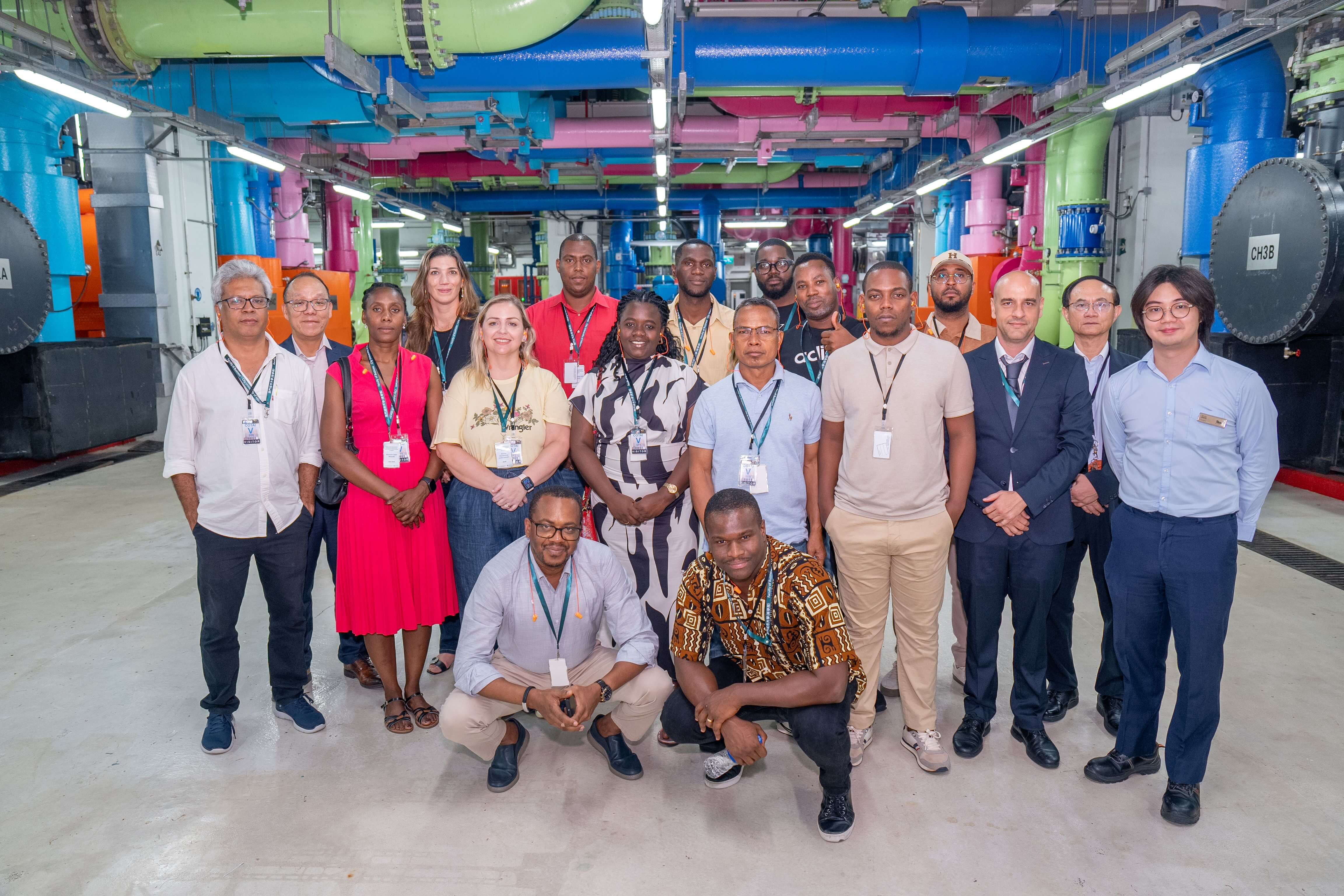
During the colloquium, participants visited institutions such as the Companhia de Electricidade de Macau (CEM), Macau Light Rapid Transit Corporation (MLM), the Civil Engineering Laboratory of Macau (LECM), and the State Key Laboratory for Internet of Things for Smart City (SKL-IoTSC). They engaged in lectures and discussions on topics such as Macao’s role as a cooperation platform between China and Portuguese-speaking countries, China’s experience and success factors in large-scale infrastructure projects, and sustainable infrastructure investment. Additionally, participants attended the “16th International Infrastructure Investment and Construction Forum & Exhibition” (IIICF) and the “China–Portuguese Infrastructure Co-operation for High-Quality Development Parallel Forum”.
The colloquium enhanced the understanding of Portuguese-speaking countries regarding infrastructure development in mainland China and Macao, deepening their recognition of Macao’s role as a commercial service platform between China and the Portuguese-speaking countries. It further promoted exchange and cooperation in the infrastructure sector among mainland China, Macao, and Portuguese-speaking countries, unlocking the potential of collaboration.
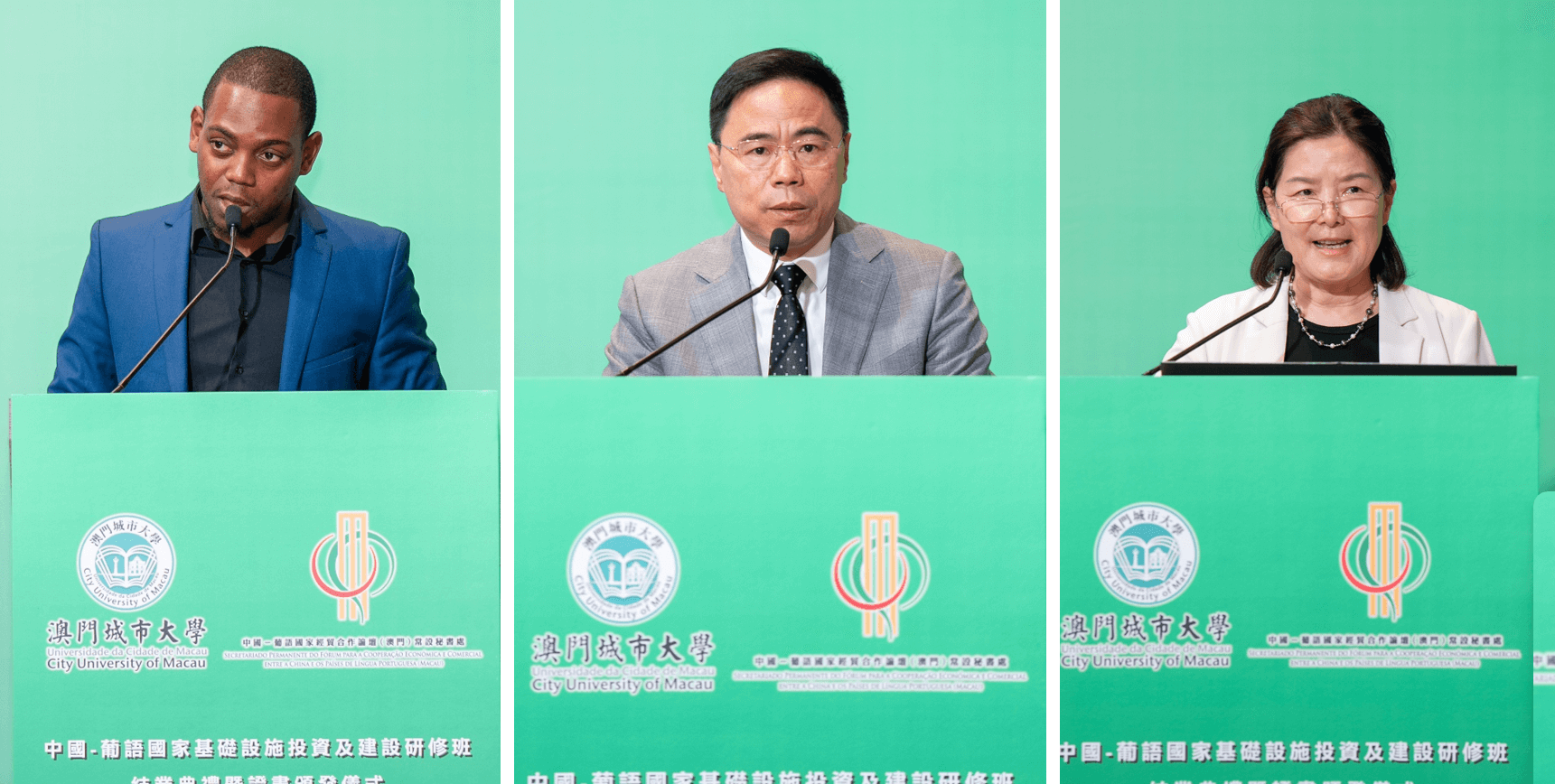
The closing ceremony was attended by Ji Xianzheng, Secretary-General of the Permanent Secretariat of Forum Macao, Han Wei, Vice Rector of City University of Macau (CityU), representatives from Portuguese-speaking countries’ consulates, representatives from the Trade Office of the Economic Affairs Department of the Liaison Office of the Central People’s Government in Macao SAR, and all members of the Permanent Secretariat of Forum Macao, who together witnessed the participants’ achievements and growth.
In his speech, Secretary-General Ji Xianzheng noted that the 6th Ministerial Conference last year adopted the Strategic Plan for Economic and Trade Cooperation (2024-2027), which outlined four key concurrence agreements for infrastructure cooperation: (1) reaffirming priority cooperation in transportation, information and communication, electricity, and water conservancy, supporting enterprises from Forum member countries to participate in construction through integrated investment, construction, and operation models; (2) encouraging willing Forum member countries to collaborate in improving communication networks and advancing 5G cooperation; (3) promoting natural resource investment cooperation among Forum member countries’ enterprises; and (4) continuing in-depth cooperation through the IIICF held in Macao. The colloquium upgraded participants’ professional capabilities through diverse teaching methods, and Forum Macao will continue to organize more activities to promote comprehensive and mutually beneficial cooperation with Portuguese-speaking countries.
Vice Rector Han Wei of CityU stated that the colloquium aimed to intensify connectivity between China and Portuguese-speaking countries. Through cutting-edge courses such as “Analysis of Success Factors in China’s Large-Scale Infrastructure Projects”, “Integration of ESG Principles with Sustainable Infrastructure Investment”, and “Intelligent City Innovation and Quality of Life Enhancement”, the colloquium provided participants with new momentum for professional development. As a bridge between China and Portuguese-speaking countries, Macao promotes multilateral collaboration, and the colloquium served as a platform for knowledge transfer and friendship-building. She expressed hope for deeper cooperation in the future to jointly advance high-quality infrastructure development and sustainable economic growth.
Participants generally agreed that the program’s learning and exchange opportunities gave them a deeper understanding of infrastructure development in mainland China and Macao, as well as valuable knowledge and experience. They believe these gains will be applied to their future work, contributing positively to the shared development of China and Portuguese-speaking countries.